Casino Culture in Gia Lai: Shared Leisure Beyond the Gaming Table
Casino culture in Gia Lai extends beyond play to hospitality and shared leisure; learn what local records can establish about venues, rooms, and evenings.
What did casino culture in Gia Lai offer beyond the gaming table? The answer depends on what local records preserve: a venue’s public invitation, the rooms it arranged for guests, and the social activities connected to them. Without named, dated evidence, a familiar casino evening can too easily become a scene borrowed from somewhere else.
Leisure beyond play
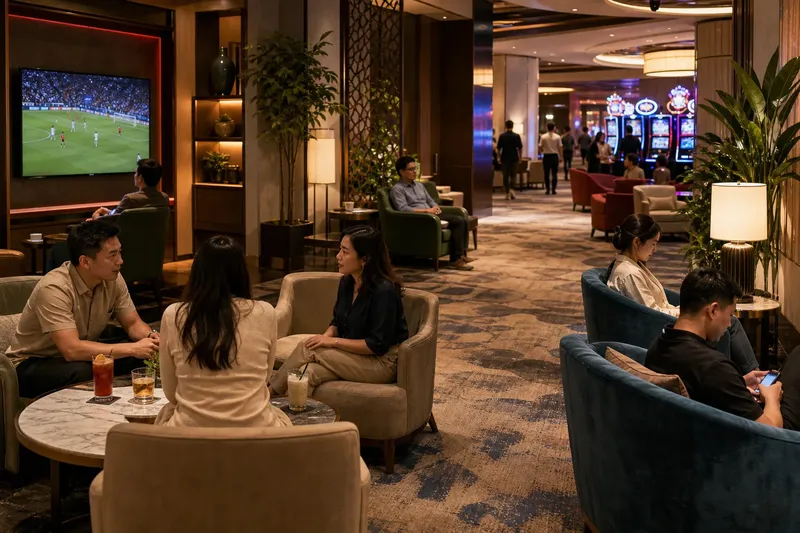
A casino is both a business and an arranged social space. Its entrance, seating, lighting, food service, and entertainment shape how guests meet and where they spend time. To tell Gia Lai’s history, those features must be connected to a particular local venue and period rather than treated as a standard package.
This distinction matters because a general account of casino hospitality cannot establish what any specific venue in Gia Lai offered. A dated advertisement can show what a business promoted; a photograph with reliable provenance can record visible arrangements; a firsthand recollection can describe how someone used or worked in the space. None, on its own, necessarily tells the whole evening.
Rooms and social rhythms
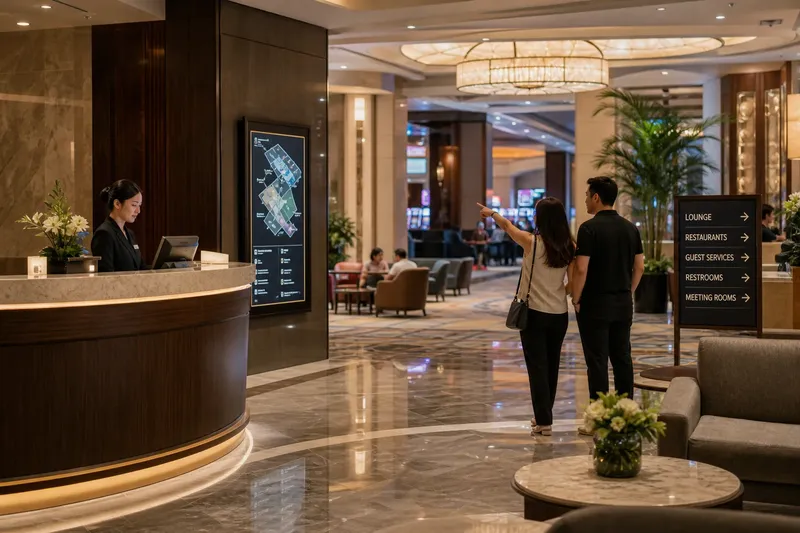
Shared leisure often takes shape in the passage between rooms: an entrance, a reception area, a gaming floor, a dining room, or a performance space. The route and the boundaries between these places can suggest how a venue invited guests to gather or linger, but only evidence tied to the venue can support a local account.
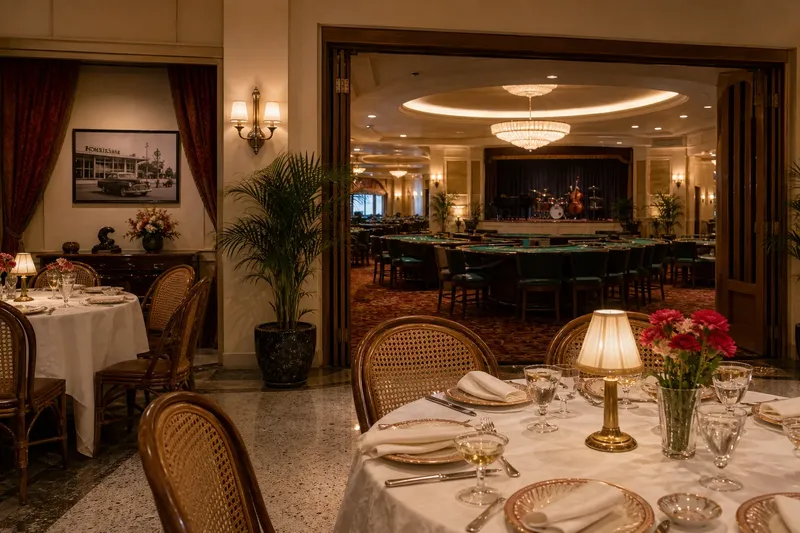
Imagine a researcher has a dated brochure naming a dining room and stage at a Gia Lai venue, along with an undated photograph of a room containing tables. The researcher checks the brochure’s venue name and date, then looks for a caption, archive record, or other link between the photograph and that place. If none connects the image to the venue, the resulting account can say that the brochure advertised dining and stage entertainment on its stated date, but cannot identify the photographed room as part of that venue. The tradeoff is a narrower claim with a clearer evidentiary boundary.
A household entryway offers a useful comparison: the same door can lead into rooms arranged for different company, but the doorway alone does not reveal what happened inside. A casino entrance or promotional image is no more revealing without records of the space and its use.
Hospitality in the records
Service claims need careful wording. A menu shows what a venue listed, not necessarily what every guest received. A staff member’s recollection can describe a routine, but should be identified as memory and placed in context. If sources disagree, leave the disagreement visible rather than smoothing it into a tidy scene.
- Venue identity: Check whether a source names a venue and location. If it does, connect the detail to that place; if it does not, leave the venue unidentified.
- Date: Check for a printed date or a reliable record of creation. If present, use it with its context; if absent, describe the source as undated.
- Food and drink: Check whether a menu or advertisement lists an offering. If it does, say the venue promoted it; if no dated record supports availability, do not claim guests received it.
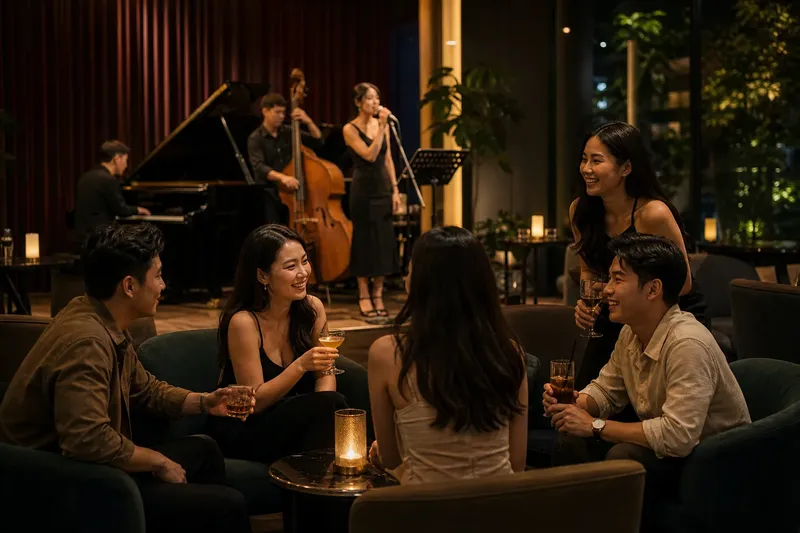
- Entertainment: Check whether a program identifies a performance and occasion. If it does, describe that documented event; if the claim is general promotion, attribute it to the venue.
- Guest experience: Check who observed the service and when. If the account is firsthand, identify the speaker’s connection; if it is hearsay, do not present it as direct experience.
- Room use: Check whether a photograph or plan can be linked to a specific place. If it can, describe visible features cautiously; if it cannot, do not assign the room a function.
- Conflicting accounts: Check whether records disagree about a date or event. If they do, report the difference and seek corroboration; if they do not, still limit the claim to what the sources establish.
What can local records tell us?
What counts as casino culture in Gia Lai?
For local history, the phrase covers documented gaming alongside hospitality, entertainment, and social arrangements connected to a particular venue. It should not absorb every leisure business or gathering in Gia Lai into one story.
Can an advertisement describe a guest’s evening?
It can show how a venue presented its offer, but not how every guest experienced it. Use it to discuss promotion, then seek independent records or firsthand accounts before describing actual use.
What can a photograph establish?
A photograph can show visible details such as furniture, signs, or room layout when its place and date are reliable. Without that context, it remains an image with unresolved provenance, not proof of a specific venue’s history.
How should differing memories be handled?
Record who is speaking, what they directly remember, and how they were connected to the events. If accounts conflict, preserve the disagreement rather than choosing the most convenient version without further support.
Local leisure, carefully described
Casino culture in Gia Lai is not simply a story about play; it is a history of how particular venues presented shared leisure, and what evidence can establish about their rooms, services, and gatherings. The records may support a description of a promoted dinner or a documented performance without revealing how guests experienced every part of the evening. That boundary is useful: it distinguishes a local history from a plausible but unverified scene.
A strong account can begin with a modest connection: one dated record linking a named venue to a kind of gathering. A second source may clarify the room or the people involved; if it does not, the first record still has value on its own terms. In Gia Lai, the shape of shared leisure emerges not from assumptions about what a casino should have been, but from the specific invitations and traces that local history can substantiate.