Live Performance or Lounge in Gia Lai: Choosing Your Evening
Compare a live performance or lounge in Gia Lai by checking the program, room layout and visit arrangements, then choose an evening that fits your group.
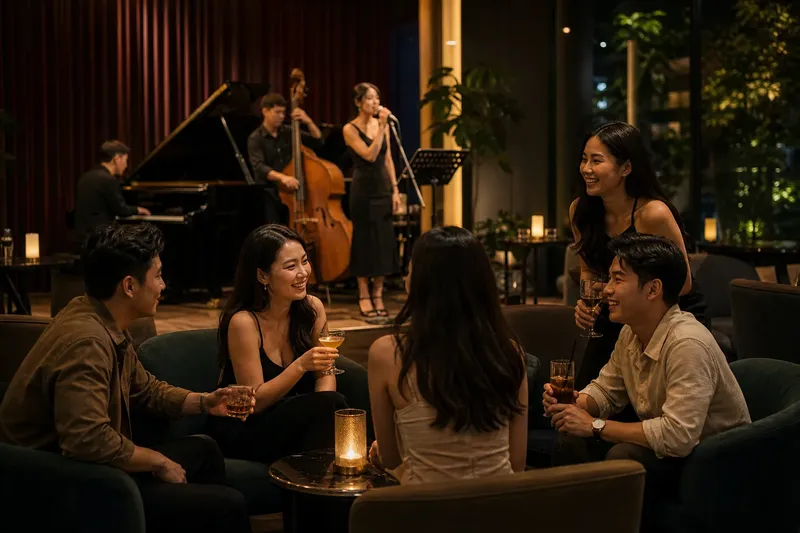
Should you choose a live performance or lounge in Gia Lai? The answer depends on what your group wants to do with the evening: follow a program, hold a conversation, or make room for both. Before you decide, find out how the venue handles its entertainment and shared spaces.
Two kinds of evening
A live performance gives the visit a focal point. Music, comedy, or another act asks guests to pay attention together, and the program may include a natural pause between parts. That can suit a celebration or a group that wants a common event to talk about afterward.
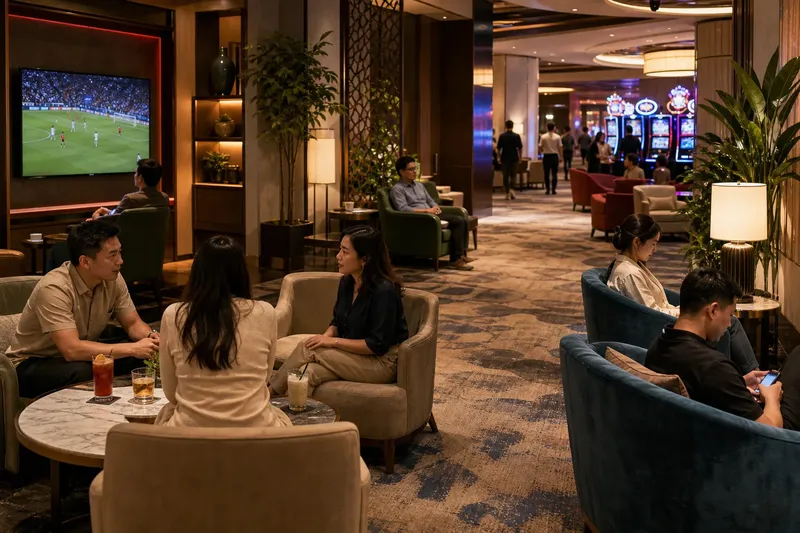
A lounge puts less emphasis on a program. Guests can settle in and talk, though the room may still be busy or include music. The word “lounge” describes a kind of space, not a promise that conversation will be easy.
Think of the difference as a book and a notebook: one has a sequence to follow, while the other leaves the page open. Neither choice is automatically better; the useful question is what would make this particular visit feel worthwhile.
Check the details
Before choosing, ask how the venue’s program and room arrangements fit the group’s plans. These checks focus on the experience itself, rather than assuming that every venue uses the same format.
- Find out whether the performance is scheduled for the evening. If its start and finish fit your plans, consider attending; if not, ask about another session or choose the lounge.
- Ask whether the act is continuous or has pauses. If guests can arrive or leave during a pause, that may suit a flexible visit; if entry is limited during the act, plan around the full performance or skip it.
- Ask what kind of entertainment is planned. If the group wants to listen closely, choose an act that holds its attention; if members mainly want to talk, ask whether the lounge has a separate program or choose another setting.
- Check whether the lounge has a particular theme or hosted activity that evening. If it matches the group’s interests, consider staying; if it does not, ask about another area or time.
- Ask whether food or drinks are available in the spaces you are considering. If the arrangements suit the group, factor them into the plan; if they do not, confirm whether guests may use another area or make a different plan.
- Ask whether the venue requires a reservation or has conditions for entering the performance space. If the terms are clear and workable, plan accordingly; if they are not, ask staff to clarify or choose an option with simpler arrangements.
- Find out whether guests may move between the lounge and performance area. If movement is allowed and practical for your group, consider combining them; if not, choose one space for the visit.
Make the group plan
Ask each guest what they would most like to do, then name the tradeoff plainly. One person may want the event itself; another may prefer a room where conversation is the point. A plan works better when everyone knows whether the evening is centered on one activity or split between them.
Say you are meeting in Gia Lai with four friends. For this invented plan, two want to hear a music set, while three want time to talk; one person is happy with either choice. First, ask staff whether the set and lounge are available on the same evening. Next, ask whether guests can move between the spaces and whether the set has a pause that would allow a change of plans. If both spaces are available and movement is allowed, begin in the lounge, then let the two interested guests attend the set while the other three continue talking. If the venue requires everyone to stay in one space, choose the lounge if conversation is the group’s priority, or the set if sharing the performance matters more. The decision follows from the venue’s actual arrangements and the group’s stated preference, not an assumption that the spaces can be combined.
Questions before choosing?
Is a lounge always quiet?
No. A lounge may include music, hosted entertainment, or a lively crowd, depending on the venue and evening. Ask what is planned and whether another area is available if conversation matters.
Can guests leave during a performance?
That depends on the act and the venue’s entry arrangements. Ask staff whether arriving late or stepping out is permitted before building the rest of the evening around the show.
Can one visit include both spaces?
Sometimes, but the layout and venue rules determine whether that is practical. Ask whether guests may move between the lounge and performance area during the visit.
What should a group decide first?
Decide whether the main purpose is listening, talking, or sharing both activities. Then confirm the relevant program and room arrangements with the venue before settling on a plan.
Choose the shared space
For a live performance or lounge in Gia Lai, check the actual program and arrangements rather than relying on the room’s name. If your group has different preferences, decide which activity matters most and whether the venue can support a change of scene.
One practical detail can settle the choice: ask whether the performance is meant to be watched from beginning to end or can be joined casually. That answer tells you whether the event will anchor the evening or simply share the room with it.